



The economic fallout of recent years has reshaped consumer priorities, placing affordability and convenience above traditional brand loyalty. The pandemic accelerated shifts in shopping behavior, from supply chain disruptions to the rise of online retail. Years later, the retail sector continues to adapt, navigating inflation rates that remain at historic highs.
Amid these challenges, private brands are thriving. In 2025, private label sales in the U.S. surged to $250 billion, capturing over 23% of the consumer goods market. This growth, fueled by a pragmatic, value-seeking post-pandemic consumer, underscores a pivotal moment for private brands. Shoppers now trust private labels for their quality and value, with 81% choosing them for affordability and 63% for their perceived quality.

These favorable conditions present an unparalleled opportunity for private brands to enhance profitability and foster unique customer loyalty. By focusing on five key strategies—expressing affordability, showcasing quality, differentiating effectively, leveraging cohesive design systems, and amplifying visibility- private brands can seize this moment to drive growth and secure their place in the evolving market.
1. If You’re a Discount Brand, Breathe Discount
For discount-oriented brands, the message of affordability must be clear and consistent across your entire product line. Your packaging is the first point of contact with the customer, and it needs to communicate value instantly. A bold, simple design approach often signals affordability effectively.
Think about how customers perceive value. Clean lines, straightforward typography, and a no-frills presentation can signal to shoppers that they are getting a good deal without sacrificing quality.

The key is to look the part. Your design shouldn’t compete with premium brands; it should proudly own its discount positioning.
2. Quality Requires a Story
When you want to position a product as premium, you need to tell a compelling story. Shoppers are willing to pay more when they understand what makes a product special. Your packaging and marketing are the perfect canvases to demonstrate this value.
There are several angles to build your quality narrative:
• Provenance: Where do your ingredients come from? Highlight the origin story to connect customers to the product’s roots.
• Ingredients: What goes into your product? Showcase unique or high-quality components that set you apart.
• Uniqueness: What makes your product different? Whether it’s a special process or a unique flavor combination, put it front and center.

By demonstrating quality through storytelling, you build an emotional connection and justify a higher price point.

3. Differentiate or Die
In a crowded marketplace, blending in is not an option. To succeed, your brand must have a distinct identity that customers can recognize and relate to. Being different isn’t just about having a unique logo; it’s about aligning your brand with a specific lifestyle, value, or trend.
Consider a brand like Trader Joe’s, which has successfully positioned itself at the forefront of food fashion. They don’t just sell groceries; they sell an experience of culinary discovery and adventure.

Your brand needs to find its own unique space in the market. Ask yourself: What do we stand for? Who are we for? Answering these questions is the first step toward creating a brand that customers choose over the competition.

4. Design as a System
A strong brand is cohesive. Designing as a system means creating a unified look and feel that extends across all your products, categories, and marketing channels. This doesn’t mean every package looks identical, but there should be a clear, recognizable design language that ties everything together.
A design system includes consistent use of logos, color palettes, typography, and imagery. This creates a strong brand block on the shelf, making your products easy for shoppers to find. It also builds brand equity and trust over time.
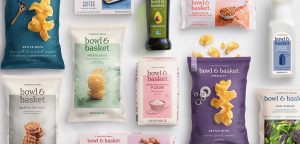
When customers can instantly recognize your products, they are more likely to try new items under your brand umbrella.

5. Be Visible. Way More Visible.
The consumer journey is not linear and can include social, web, e-commerce, mobile apps, printed flyer and printed signage to support the product on shelf.

By expanding your brand’s presence, you create multiple touchpoints that reinforce your message and drive purchasing decisions.

Conclusion
The retail landscape is constantly changing, but these five strategies provide a solid foundation for growth. Whether you are a discount brand or a premium offering, a focused approach to branding, storytelling, and visibility can make all the difference. By telling a story, differentiating your brand, designing as a system, and boosting your visibility, you can effectively fuel sales and build a loyal customer base.