



Consumers are surrounded by brands competing for their attention – on shelves, screens, feeds and every space in between. But being seen is no longer the same as being noticed, remembered, or chosen.
For brands, the challenge is particularly immediate. Shoppers make rapid decisions, often before they have read a single claim. Packaging, visual identity, tone, and distinctive brand signals have to work together quickly enough to earn attention – and be meaningful enough to turn that attention into trust.
That changes the question for brands. It’s no longer simply: How do we get noticed? It’s: What makes someone stop, care, remember and choose us?
In the attention economy, the brands that win aren’t necessarily the loudest. They’re the ones that create quality attention: focused moments where the brand communicates something distinctive, relevant and worth remembering. This is the shift from being a brand that demands attention to becoming a brand that earns it.

Attention is a Currency, But Not All Attention Is Equal
While surface-level clicks and fleeting scrolls have been easy to chase, recent research shows that value comes from meaningful engagement. According to McKinsey’s “attention equation,” a 10% increase in quality focus leads to a 17% increase in consumer spending. Meanwhile, “living brands,” those that respond to culture, stand for something genuine, and evolve with their audience, win both loyalty and long-term equity.

Example: No Name Brand’s Ever-Presence
The private label value brand No Name has been on shelves in Loblaws stores for 48 years. An unwavering grocery icon in many ways, known for its ultra-simple bright yellow background and black Helvetica typography. No Name’s package design system has remained essentially unchanged since inception. But being a retail fixture doesn’t mean staying relevant.
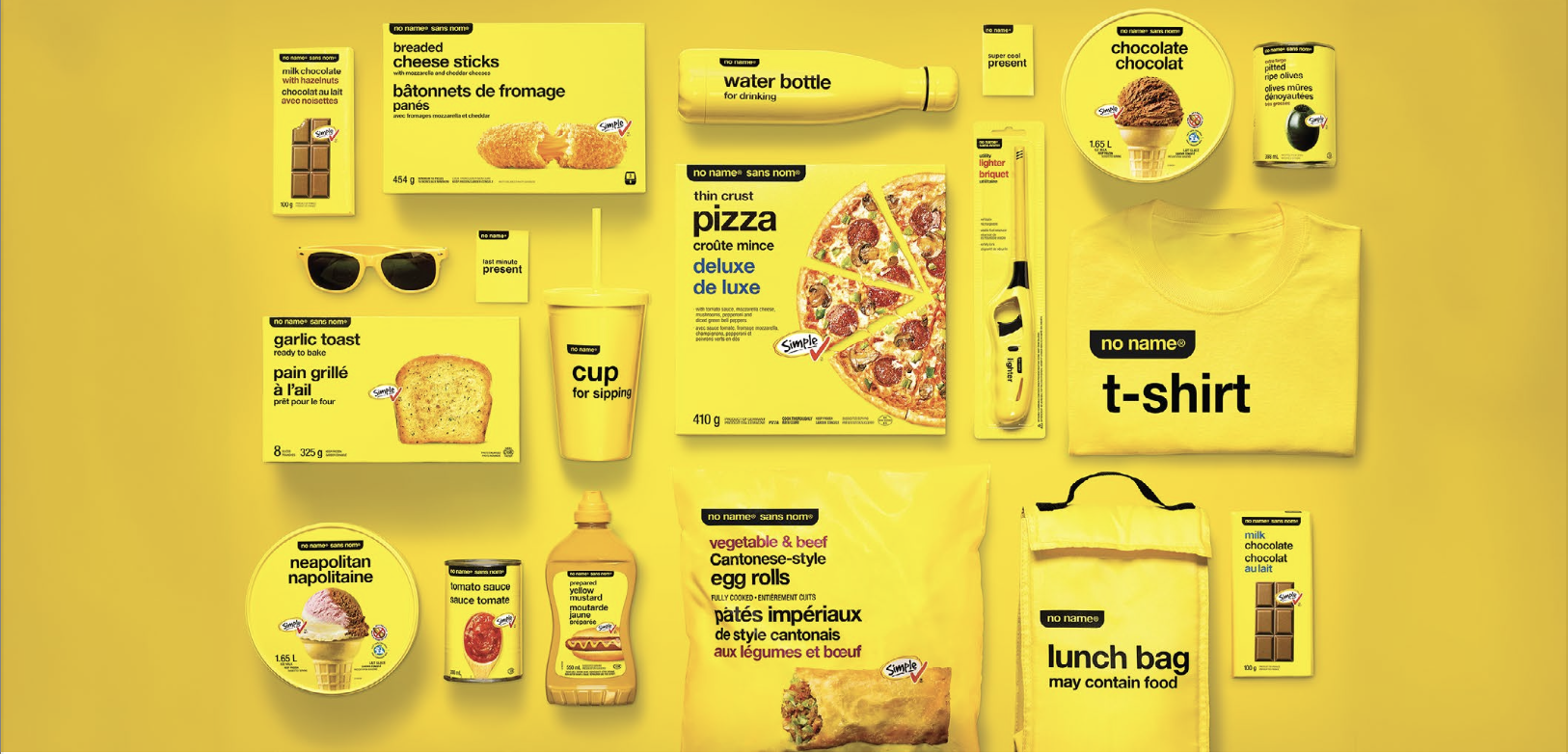
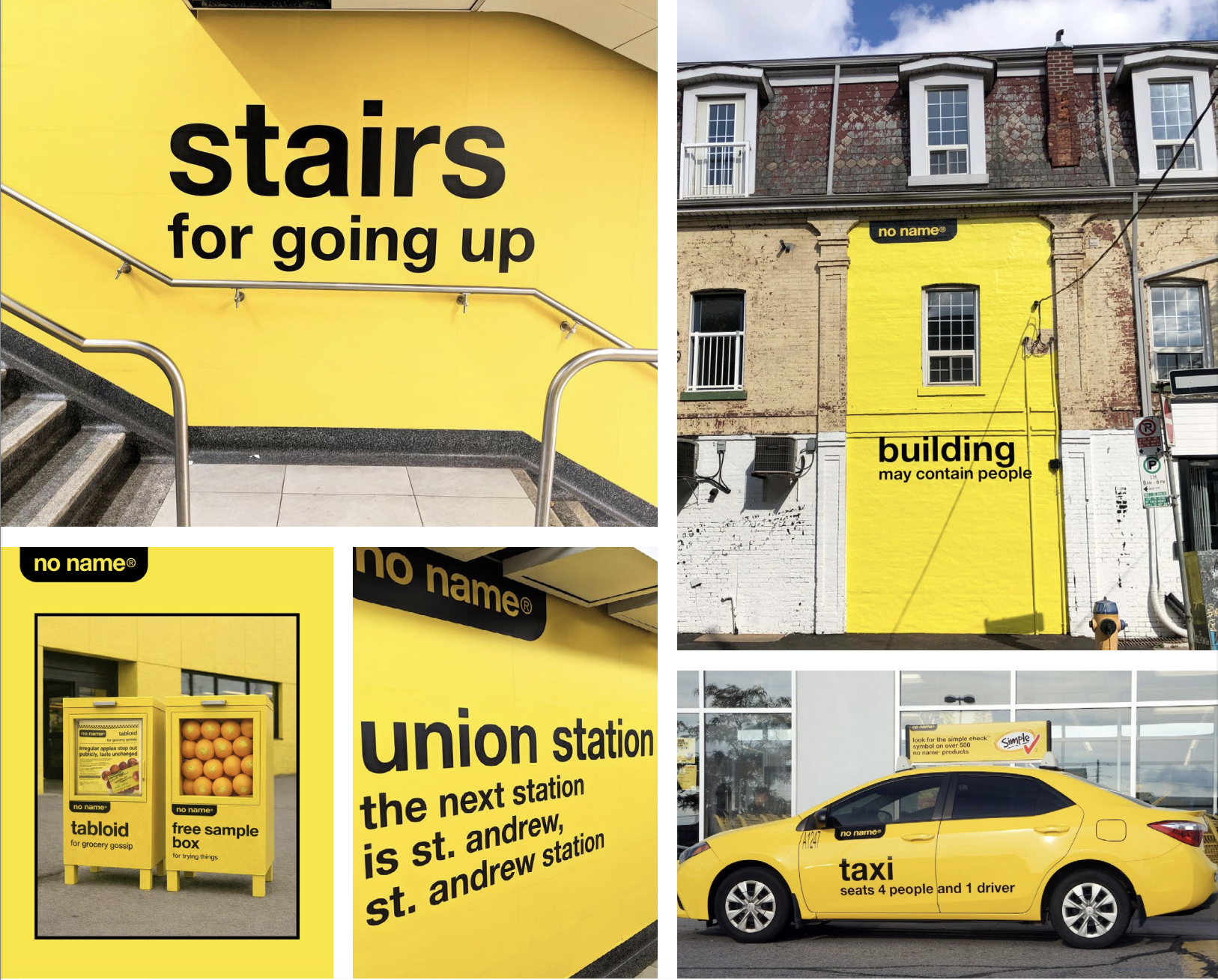
No Name pushed to reintroduce itself as the brand that wasn’t just always there for shoppers, but showed up for people’s lives, no matter what they were doing. Simple, clever, seasonal merch, product innovations and activations saw the brand connect with consumers like never before. With a creative media buy and strong social media presence, No Name went from on-shelf to literally everywhere. Awareness, brand perception and sales increased, and 50% of all X (formerly Twitter) engagements were organic!
Your Brand Needs a Personality, Not Just a Presence
Today’s audiences expect conversation over campaigns. Brands need a clear, relatable personality; a plain, corporate tone is ignored. In fact, 71% of consumers want a personal connection with the brands they purchase. But personality alone isn’t enough; it must be consistent, genuine, and delivered in real time, adapting to changing contexts and cultural moments.
Example: The Challenger Charm of Oatly
Oatly thrives by speaking with a unique, playful, and honest voice. Its packaging and social media create a “living” experience, one that feels more like a friend than a corporation. This distinct personality builds not just awareness, but community and loyalty.

Authenticity and Emotional Resonance Drive Trust
People know when brands are putting on a show. A full 88% of consumers say authenticity influences their loyalty. Beyond slogans, the brands that foster vulnerability, transparency, and empathy become magnets for attention and trust. Living brands don’t just claim values, they prove them through action.
Example: Patagonia’s Purpose in Action
Patagonia’s environmental mission is evident at every touchpoint, from transparent sourcing to bold campaigns that promote thoughtful consumption. By taking a stand—and standing by it, Patagonia turns its customers into advocates.


From Reach to Real-Time Relationship
Modern consumer engagement isn’t a one-way street. Brands must become attentive listeners and co-creators. Real-time engagement and conversational commerce DMs, chat, and live interaction are setting new standards for brand behavior. Brands that master this see customers spend 20-40% more.
Example: Fenty Beauty’s Inclusive Dialogue
Fenty Beauty turned inclusivity into action, launching with 40 foundation shades and inviting users to shape the future lineup. By sharing user-generated content, responding to feedback, and remaining open, the brand made every customer part of its ongoing narrative.

Packaging: Your First, Fastest Shot at Attention
In crowded aisles and digital shelves, packaging is often a brand’s biggest chance to catch the eye and make a memorable impression. Research shows that 74% of American consumers say product packaging influences their purchasing decisions, sometimes even more than advertising or recommendations. Great packaging isn’t just practical; it acts as a visual handshake, conveying personality, purpose, and value before a word is even read.

Brands like Innocent Drinks have made packaging a key part of their identity. Using playful wording, bold illustrations, and unique bottle shapes, Innocent’s products stand out and spark curiosity even among shoppers unfamiliar with the brand. This approach has worked well: Innocent grew its UK market share in the smoothie category to over 60% within a decade, largely due to its eye-catching shelf presence and memorable “tone of voice” on packaging.

The impact is even stronger in digital commerce, where thumbnails compete for smaller slices of attention. Color, iconography, and tactile cues must cut through quickly. Whether it’s Oatly’s conversational cartons or Method’s vibrant soap bottles, innovative CPG brands prove packaging can be a silent brand ambassador, driving impulse buys, social shares, and long-term loyalty.
Expanding Your Lineup and Ecosystem
Today’s brand stories aren’t just about what categories you live in on shelf, they’re about what makes your products unique and how they connect with peoples lives once they’re taken off the shelf. In order for your brand to travel, it needs to be rock solid on it’s identity, knowing who you are and what you represent will allow your brand to remain unmistakable in any channel. This consistency is essential; brands seen as cohesive across platforms can increase revenue by 23%. This goes far beyond visuals: sonic branding, AR, and even personality in virtual spaces are quickly becoming basic requirements.
Example: Good & Gather’s Culinary DNA
When Target launched Good & Gather, it aspired to deliver shoppers with an elevated product array that only used simple, quality ingredients. Instead of standard “value” positioned, private label aesthetics, Good & Gather showed up on shelf with premium boutique products using bold colors and gorgeous, often playful, macro photography. Target’s product innovation also geared up to be delivering flavors that shoppers wanted this minute. Rather than just offering basic canned corn or white bread, the brand prioritized culinary trends, introducing items like avocado toast salad kits, beet hummus, and functional coffees alongside traditional kitchen staples.
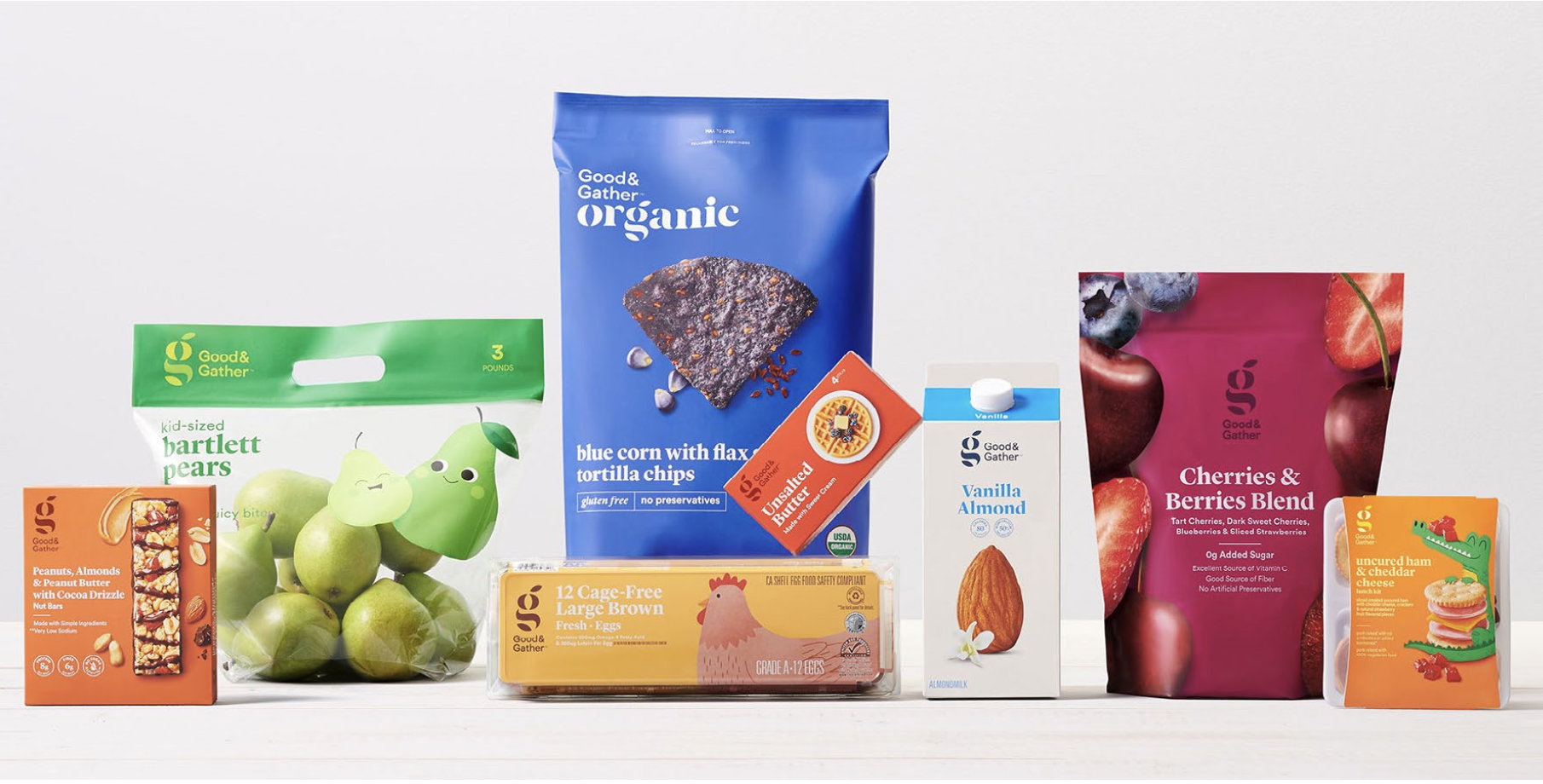
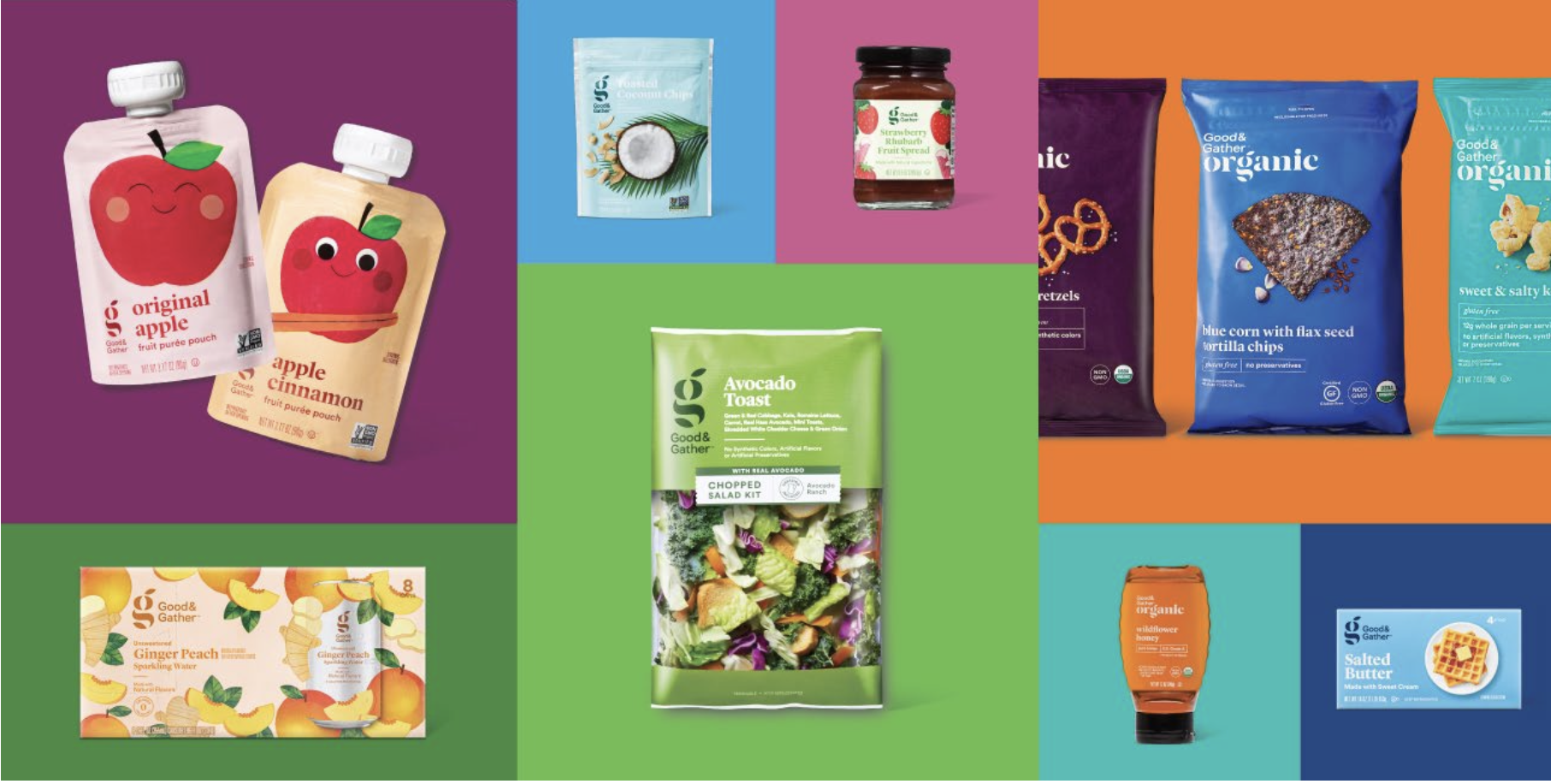
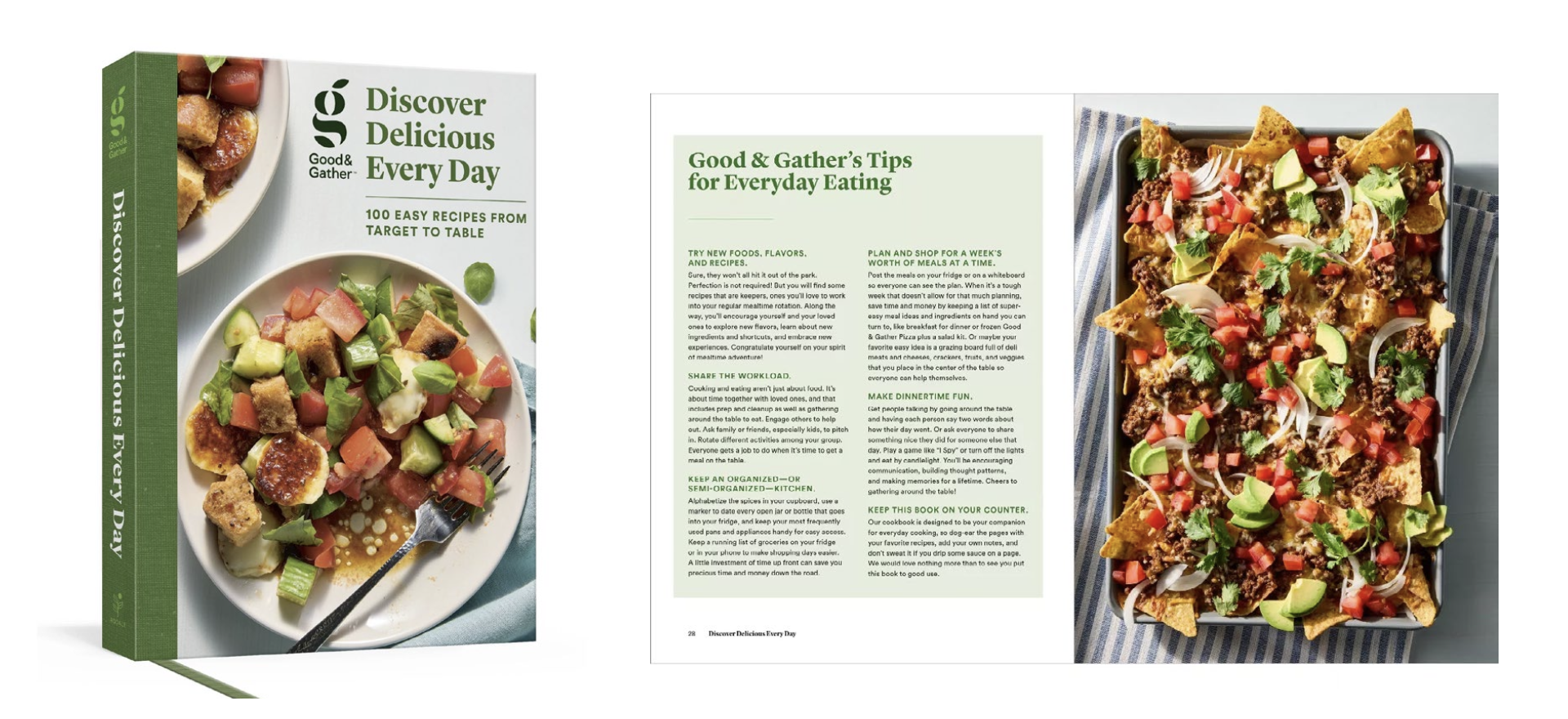
Target also expanded its culinary DNA story by publishing its own official Good & Gather cookbook, featuring recipes built around store-brand ingredients to position itself as a culinary brand rather than a mere discount alternative. When you clearly stand for something, it’s easy to tell your story in meaningful ways that capture attention for long after customers are done shopping.
Micro-Influencers and the Power of Relevance
People want recommendations from those they trust. SkinnyPop’s partnership with 30 niche micro-influencers enabled the brand to speak to different communities authentically, creating fresh, relatable content that drove engagement and growth. This targeted, human approach can outperform campaigns with mega-celebrities and broad brushstrokes.
Statistic: 64% of consumers prefer brands that tailor experiences to their unique needs—a micro-influencer approach does exactly that.

Simplicity, Consistency, and the Living Brand Mindset
The future belongs to brands that feel alive, evolving, emotionally intelligent, and purposeful. But in all that agility, simplicity is a competitive advantage. Too much complexity means confusion or dilution. Your brand’s core identity should act as an internal compass, guiding all expressions from packaging to metaverse activations to customer service interactions.

Final Thought
Winning the attention economy is no longer about paying more for exposure or talking louder than the next brand. Success belongs to the brands that dare to be “living,” dynamic, participatory, deeply human, and consistent, even as they evolve. In this new world, attention isn’t awarded just for visibility but for meaning, magic, and resonance.
For brands, packaging is one of the fastest opportunities to do exactly that. Before a shopper reads the claims, compares the ingredients or considers the price, the pack has already communicated something about the product – its quality, value, personality and relevance. The strongest brands make those signals work together. They are distinctive enough to earn attention, simple enough to be understood quickly, and consistent enough to build recognition over time.
The takeaway: attention isn’t won by being louder – it’s won by being clearer, more distinctive and more meaningful. If your packaging is struggling to stop shoppers, communicate value, or make your product feel worth choosing, the problem may not be the product. It may be what the package is saying – or failing to say – in those first few seconds.